On this page +

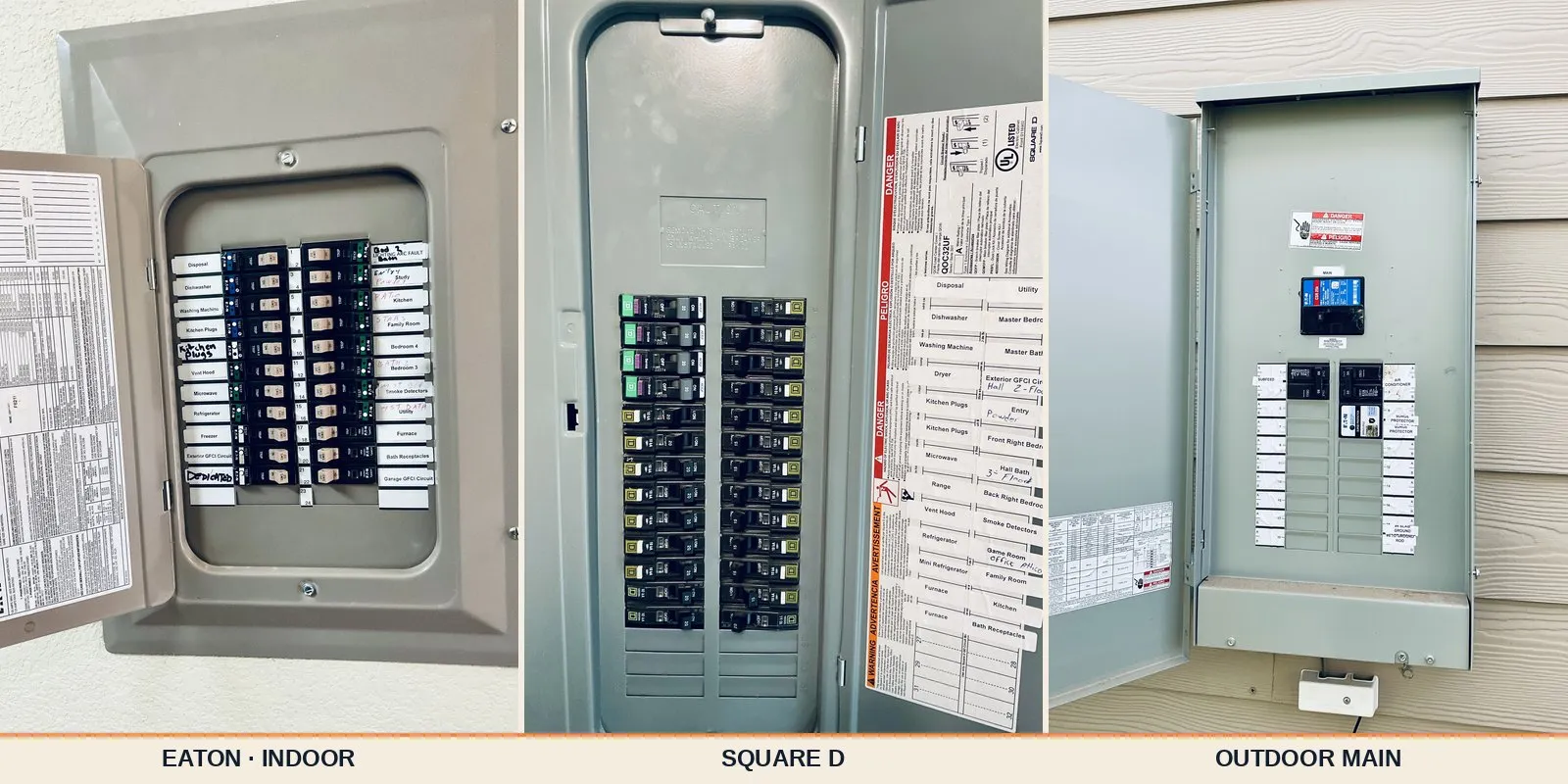
When one room goes dark but the rest of the house is fine, it's almost never the room itself — it's something feeding it. In order of likelihood: a breaker that's tripped but doesn't look it (sitting in the middle, not full ON), a GFCI outlet in another room (bathroom, garage, or outdoors) that shut off and killed everything downstream of it, or a loose or failed connection behind an outlet — the one that needs an electrician. Start by resetting the breaker properly and finding every GFCI in the house. If the room's still dead after that, stop opening things and call — the cause is now inside the wall.
First — one dead room is a clue, not a mystery
Half your house works. The fridge hums, the TV’s on. But one bedroom, or a row of kitchen outlets, is stone dead — and when you check the panel, nothing looks tripped. It’s a confusing problem because the dead spot and the actual cause are usually in two different places.
Here’s the thing to hold onto: power flows from your panel, through a chain of outlets, to the dead room. When one room loses power, the break is somewhere upstream in that chain — at the panel, at a GFCI, or at a connection in a box you can’t see. Work the chain from the panel outward and you’ll find it fast — or you’ll find the point where it’s time to call.
One dark room is almost never the room's fault — it's something upstream: a hidden tripped breaker, a [GFCI in another room](/blog/gfi-vs-gfci/), or a loose connection feeding it.
A very Austin example
A 1971 home in Brentwood. The back bedroom outlets quit — phone charger dead, lamp won’t turn on. The homeowner checks the panel: every breaker looks normal. They flip a few off and on anyway. Nothing.
What they didn’t know: that bedroom’s outlets are wired downstream of a GFCI in the hall bathroom — and that GFCI tripped three days ago when the kids’ nightlight shorted. One reset in a room they weren’t even thinking about, and the bedroom comes back. No electrician needed. (Sometimes. We’ll get to the times you do need one.)
Work the chain — in this order
A tripped breaker often doesn’t look tripped — it sits in the middle, not fully OFF. To reset it you have to push it firmly to full OFF first, then back to ON. Halfway won’t do it. Check the breaker that serves the dead room, and any that aren’t sitting flush with the others.
- Holds? You’re done — though it’s worth asking why it tripped (see Why Does My Breaker Keep Tripping).
- Trips again instantly? Stop — that’s a fault in the circuit. Leave it off and call.
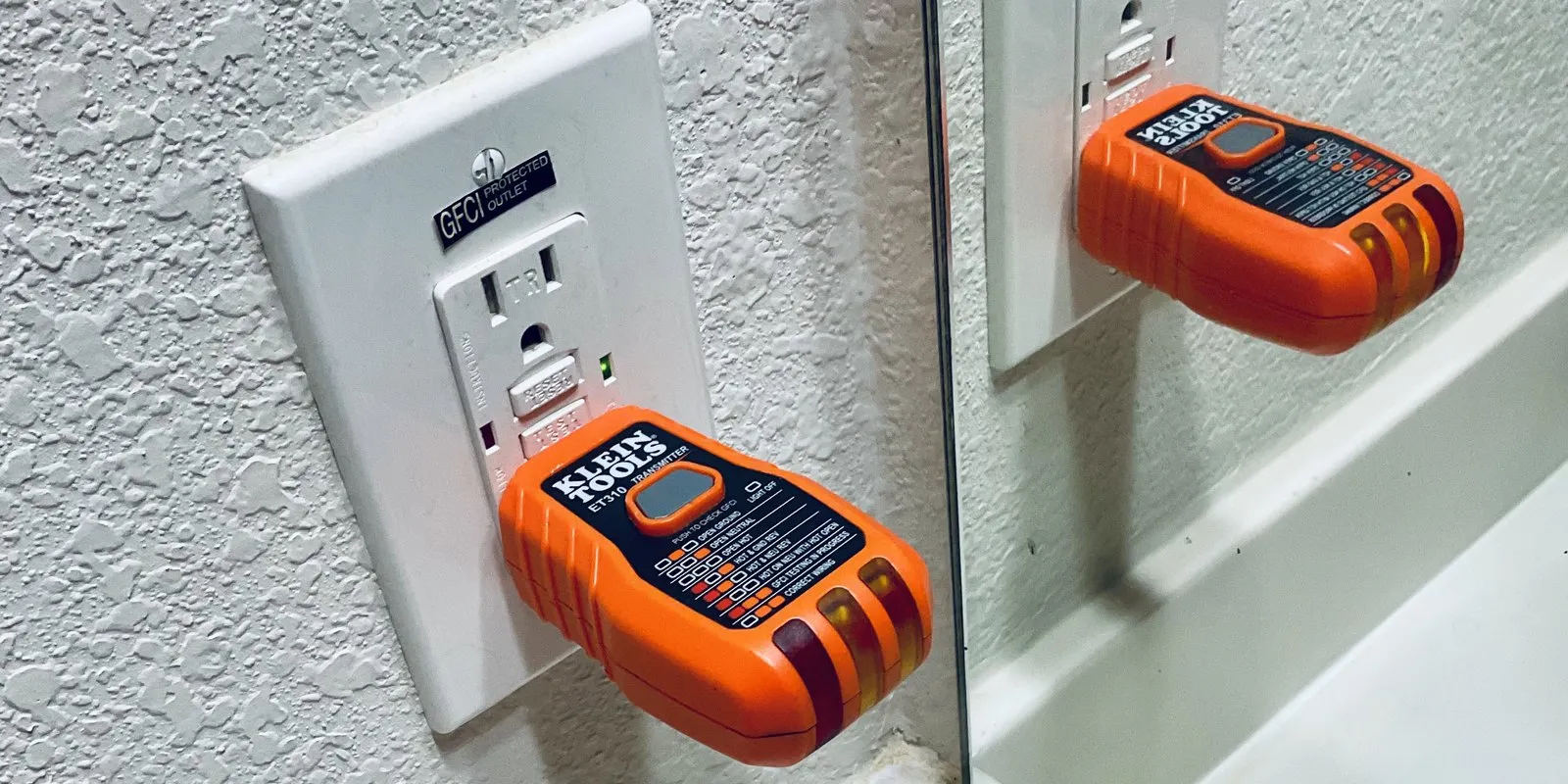
This is the one people miss. A single GFCI often protects several ordinary outlets downstream of it — sometimes in entirely different rooms. So a dead bedroom can be caused by a tripped GFCI in the bathroom, garage, laundry room, or an outdoor outlet.
- Walk the house. Find every outlet with TEST / RESET buttons.
- Press RESET on each. If one was tripped, your dead room may come right back.
- An outdoor GFCI that tripped after a recent storm is a very common Austin culprit.
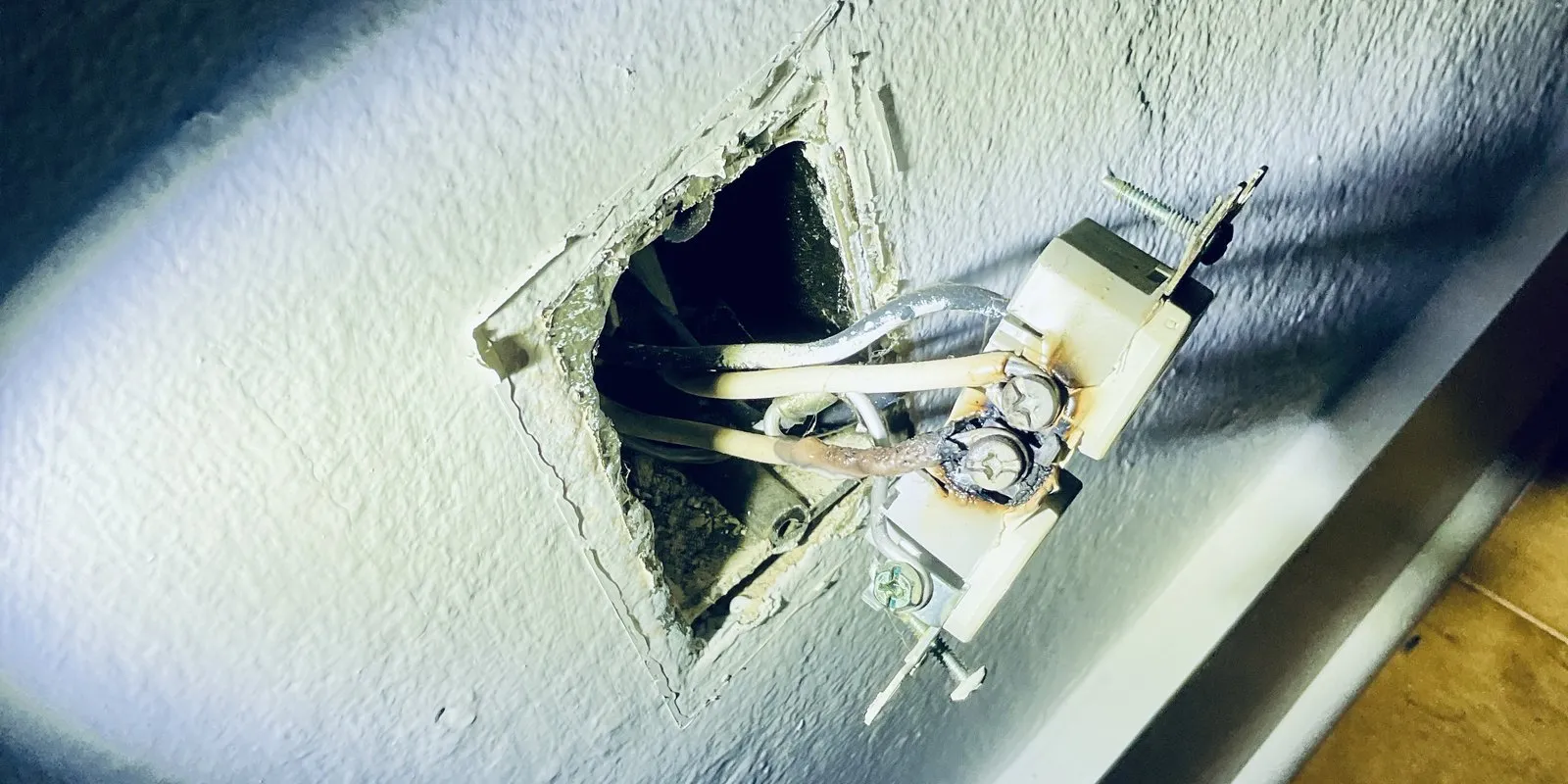
If the breaker’s on and every GFCI is reset and the room’s still dark, the break is at a connection inside the wall — and this is where the DIY part ends. The usual suspects:
- A “backstabbed” outlet that failed. Builder-grade outlets use a push-in connection on the back that loosens over time and under Texas heat; when it lets go, everything downstream goes dark. Extremely common.
- A loose wire nut in a junction box, or a burned/charred outlet.
- In Austin homes built roughly 1965–1973, aluminum branch wiring — a known fire-risk era. Aluminum expands, contracts, and loosens at connections more than copper, and intermittent dead circuits are a classic warning sign. If your home is from that window, a dead circuit isn’t a nuisance — it’s worth a real look.
These are not “open the outlet and poke around” problems. A failed connection is generating heat, and heat behind drywall is how a dead outlet becomes something worse.
The one pattern that means stop now
If it’s not one room — if lights across the house are flickering, surging bright then dim, or several areas are half-working — that’s a different and more serious animal. It can be an open neutral or a lost utility leg (one of the two power legs feeding your home), and it can push the wrong voltage to your devices and fry electronics. Don’t troubleshoot it. Turn off sensitive equipment, leave the panel alone, and call — and after a storm, it may be a utility-side issue (Austin Energy, Oncor, PEC, or Bluebonnet) that we help you sort out.
When to stop and call us
- A burning smell, buzzing, or a warm or discolored outlet
- Lights surging or dimming across the house (possible open neutral / lost leg)
- The breaker won’t reset or trips again instantly
- Your home has aluminum branch wiring (≈1965–1973)
- Everything’s reset and the room is still dead (it’s a connection in the wall)
Why the visit starts with tracing the circuit
A dead room has a handful of possible causes that look identical from the hallway — a tripped GFCI two rooms over and a failing connection behind the drywall both just look like “the lights don’t work.” Telling them apart means tracing the circuit with a meter and opening the right box, not every box. A DC Electric licensed electrician follows the chain to the actual break, fixes it, and — especially in an older home — checks whether the same loose-connection problem is waiting at other outlets, because if one backstabbed outlet has let go, it’s rarely the only one.
If a room’s gone dark and resetting hasn’t brought it back, book online or call (512) 954-4782. We serve homes across Greater Austin, and existing customers can reach us 24/7.
If you're in doubt, call DC Electric out.
Whatever the electrical question, a Lead Technician comes out, does a thorough check, and gives you a clear course of action with a guaranteed repair or fix — and an upfront flat-rate price before any work begins.
How to find why one room lost power
- Reset the breaker properly Find the breaker for the dead room; push it firmly to full OFF, then back to ON. If it won't hold, leave it off and call.
- Reset every GFCI in the house Find every outlet with TEST/RESET buttons — bathroom, garage, laundry, outdoors — and press RESET. A GFCI in another room may control the dead outlets.
- Stop if still dead If the breaker is on and all GFCIs are reset and the room is still dead, the break is a connection inside the wall. Stop and call a licensed electrician.
We believe your home should have safe, reliable electrical wiring to protect your family's well-being.
Common questions
Why is one room out of power but the rest of the house is fine?
Can a GFCI in one room control outlets in another room?
I reset the breaker and GFCIs and the room is still dead — now what?
My whole-house lights are flickering, not just one room — is that the same?
Could aluminum wiring in my older Austin home be the cause?
Standing By to Take Your Call
Book online any time, or give us a call and we'll get you scheduled — existing customers reach us 24/7.