On this page +
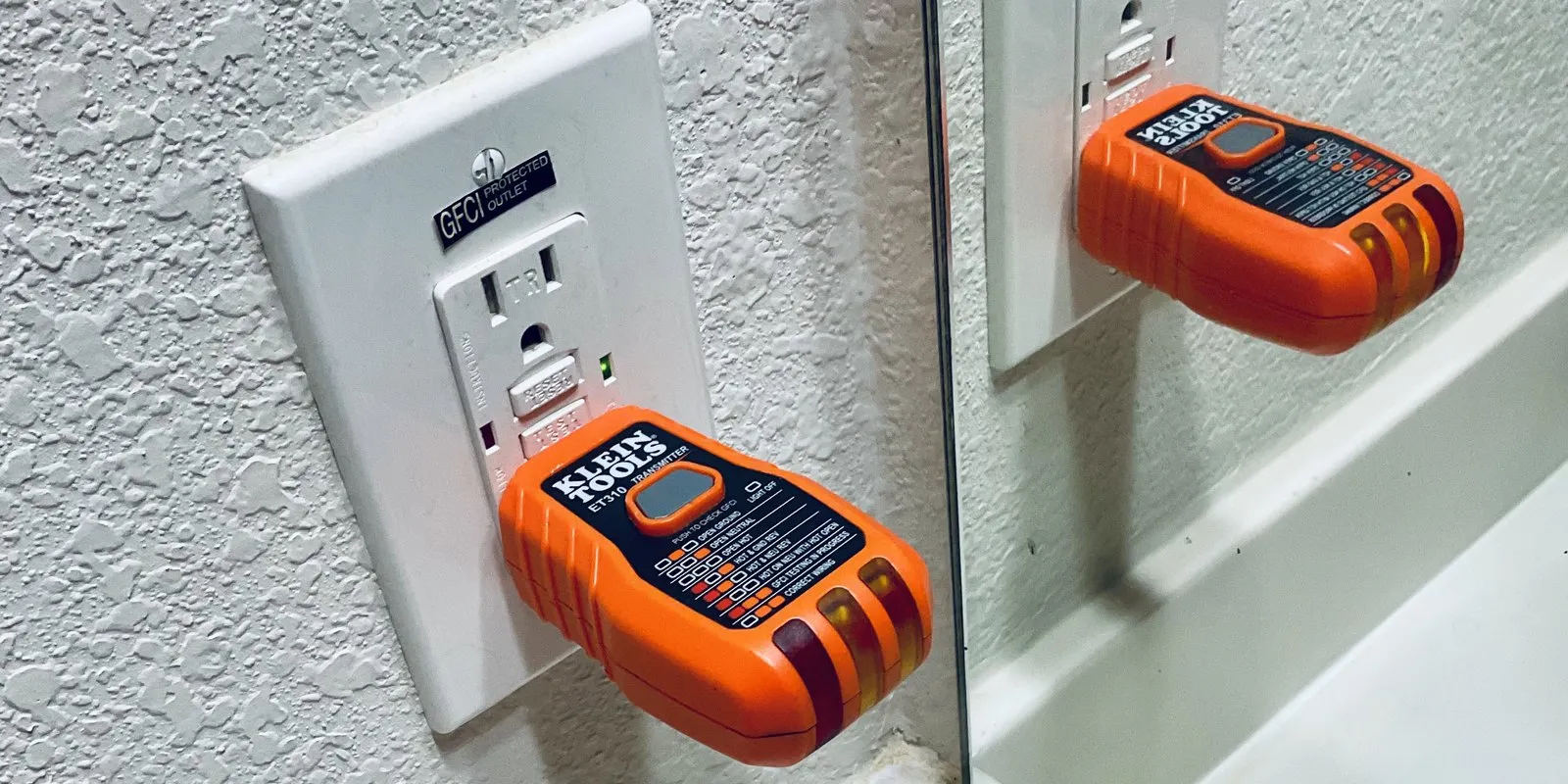
GFI and GFCI are the same thing — two names for a *Ground Fault Circuit Interrupter*, the outlet (or breaker) with the little TEST and RESET buttons. "GFI" is the older, casual name; "GFCI" is the technically correct one. Its job is to protect people from electrical shock, not to protect your wiring — that's a different device. It works by constantly comparing the current flowing out against the current coming back; the instant it senses electricity leaking somewhere it shouldn't (like through water, or a person), it cuts power in a fraction of a second. If yours keeps tripping, it's usually doing exactly that job: there's moisture, a fault, or the GFCI itself has worn out.
First, let’s settle the name — GFI and GFCI are identical
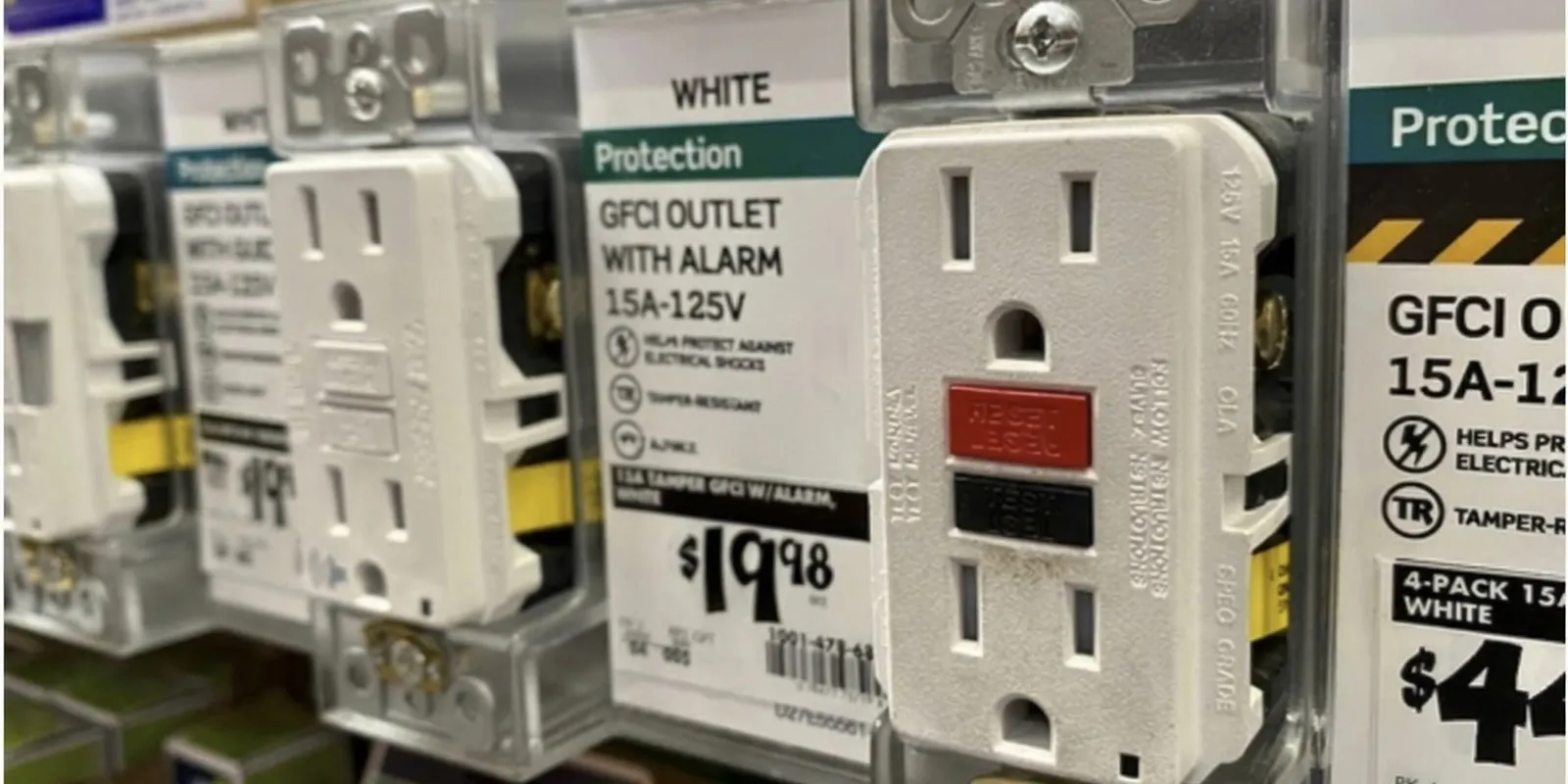
This trips up a lot of people, so we’ll be clear: there is no difference between a GFI and a GFCI. Same device, same function. “GFI” (Ground Fault Interrupter) is just the older, shop-floor shorthand. “GFCI” (Ground Fault Circuit Interrupter) is the term you’ll see in the electrical code and on the packaging at the hardware store. If a contractor says one and an inspector says the other, they’re talking about the same outlet.
So when you Google “what is a GFI,” you’re really asking: what is that outlet with the two buttons, and why does it matter? That’s worth answering properly — because it’s quietly the most important outlet in your house.
A GFCI guards people; a breaker guards wiring. If yours keeps tripping near water, it's usually doing its job — don't bypass it.
What a GFCI actually does
A regular outlet just delivers power. A GFCI does something cleverer: it watches.
Electricity that flows out on the hot wire is supposed to return on the neutral wire — the amount going out should exactly equal the amount coming back. A GFCI measures both, constantly. The moment those two numbers don’t match — even by a tiny amount, around 4 to 5 milliamps — it knows current is escaping the circuit and finding another path to ground. Often that “other path” is water. Sometimes it’s a person.
When it sees that mismatch, it shuts the outlet off in roughly 1/30th of a second — faster than the current can stop your heart. That’s not a figure of speech. The reason GFCIs are required by code in bathrooms, kitchens, garages, laundry rooms, near pools, and outdoors is that those are the places where water and electricity meet, and a ground fault in those rooms is the kind that hurts people. A hair dryer that falls in a full sink, a frayed cord on a wet patio, a pool pump with failing insulation — a GFCI is the difference between a tripped outlet and a trip to the hospital.
A GFCI and a circuit breaker are NOT the same job
This is the distinction most articles blur, and it matters:
- Your circuit breaker protects the wiring from fire. It watches amps and trips when a circuit is overloaded or shorted — protecting the wire in your wall from overheating. (We wrote about that in Why Does My Breaker Keep Tripping.)
- A GFCI protects you from shock. It watches milliamps of leakage and trips to keep current from passing through a person.
One guards the house. The other guards the people in it. A modern home needs both, and one does not cover for the other — a regular breaker will happily let you get shocked all day as long as the total current stays under its rating.
Where Austin homes are required to have GFCI protection
Current code requires GFCI protection at outlets in:
- Kitchens (countertop outlets)
- Bathrooms
- Garages and accessory buildings
- Laundry rooms
- Outdoors (patios, porches, exterior outlets)
- Crawlspaces and unfinished basements
- Around pools, spas, and hot tubs
Notice the theme: every one of those is a place where water shows up.
The gap hiding in older Austin homes
Here’s where it gets local. GFCI requirements were phased in over decades — bathrooms in the 1970s, kitchens and outdoors in the ’80s and ’90s, and the list has only grown since. That means a lot of central Austin’s older housing stock — the 1950s–’70s bungalows and ranches in Hyde Park, Rosedale, Crestview, Brentwood, parts of South and East Austin — was built before these rules existed.
Walk into one of those homes today and you’ll often find an ordinary, unprotected outlet a foot from the bathroom sink, or right next to the kitchen faucet. It looks normal. It works fine. And it offers zero shock protection in the exact spot you’d most want it. Renovations should have caught it; many didn’t.
If you’re in an older Austin home and you’ve never looked, it’s worth checking whether the outlets near water actually have TEST/RESET buttons. If they don’t, that’s not a code citation waiting to happen — it’s a genuine safety gap that’s inexpensive to close. (It’s one of the first things we look at on our electrical safety evaluations.)
Why your GFCI keeps tripping — the four causes
Moisture in an outdoor box after a storm, a failing appliance, a damaged cord. The GFCI caught real leakage. What to do: unplug everything on that outlet, reset it, then plug things back in one at a time until it trips again — that’s your culprit.
One GFCI often protects several ordinary outlets “downstream” of it on the same circuit. So the bathroom GFCI might be tripping because of a fault at an outlet in a different room. This is why the dead outlet and the tripping GFCI aren’t always in the same place — a detail that sends a lot of homeowners chasing the wrong outlet.
A very long circuit, or a motor load like a freezer or pool pump, can cause small, natural leakage that adds up and trips a sensitive GFCI even with nothing actually wrong. Common, fixable, and worth diagnosing rather than ignoring.
GFCIs have electronics inside, and they degrade — typically over about 10–15 years, faster in hot or humid spots like a Texas garage or an outdoor box. An old GFCI can start tripping for no reason, or — more dangerously — stop protecting while still delivering power. That’s why testing them matters (below).
The very Texas nuisance trips
A few tripping patterns we see constantly in Austin specifically:
- The garage freezer. Lots of Austin homes keep a second fridge or chest freezer in the garage to beat the summer heat. Modern code puts garage outlets on GFCI — and the motor’s start-up surge can nuisance-trip an older or sensitive GFCI. You discover it when the ice cream’s soft. The fix is a diagnosis, not just disabling the protection.
- Outdoor outlets after a storm. Our humidity and sudden downpours push moisture into exterior boxes. A patio or soffit outlet that trips every time it rains usually needs a proper in-use weatherproof cover and a look at the box seal.
- Pool and spa equipment. Austin has a lot of pools. Pump and spa circuits are required to be GFCI-protected, and aging pump motors are a frequent nuisance-trip source — and occasionally a real fault, which is exactly when you want that GFCI working.
When to stop and call us
- The GFCI won’t reset, or trips again within seconds
- Pressing TEST does nothing (it’s failed and offers no protection)
- You smell burning or see discoloration at the outlet
- There’s no GFCI protection near water anywhere in your home
- An outdoor or pool outlet trips constantly and you’re tempted to “just put a regular outlet there” (please don’t — that’s the protection working)
Why we start with the diagnosis
A tripping GFCI is the right kind of problem to take seriously, because the device only trips for a reason — and the reasons range from “a wet patio box” to “a failing pool pump” to “an outlet wired wrong twenty years ago.” You can’t tell which from the kitchen. A DC Electric licensed electrician traces the circuit, finds where the leakage is actually coming from, and tells you whether it’s a five-minute fix or a sign of something worth addressing — especially in an older home that may be missing protection it should have had all along.
If a GFCI keeps tripping, or you’re not sure your home has the protection it needs near water, call (512) 954-4782 or book online and our office will get back to you to schedule. We serve homes across Greater Austin, Monday through Friday.
If you're in doubt, call DC Electric out.
Whatever the electrical question, a Lead Technician comes out, does a thorough check, and gives you a clear course of action with a guaranteed repair or fix — and an upfront flat-rate price before any work begins.
How to reset and test a GFCI outlet
- Locate the GFCI Find the outlet with TEST and RESET buttons; note it may control other outlets downstream.
- Press RESET Press RESET firmly. If it clicks and holds, the outlet is restored.
- Isolate a fault If it won't hold, unplug everything on the circuit and reset. Reintroduce devices one at a time to find the cause.
- Test monthly Press TEST — power should cut and RESET pop out. If TEST does nothing, the GFCI has failed and must be replaced.
We believe your home should have safe, reliable electrical wiring to protect your family's well-being.
Common questions
What does GFI mean?
Is there any difference between a GFI and a GFCI?
Why does my GFCI keep tripping?
How often should a GFCI be replaced?
Can I replace a GFCI outlet myself?
Standing By to Take Your Call
Book online any time, or give us a call and we'll get you scheduled — existing customers reach us 24/7.